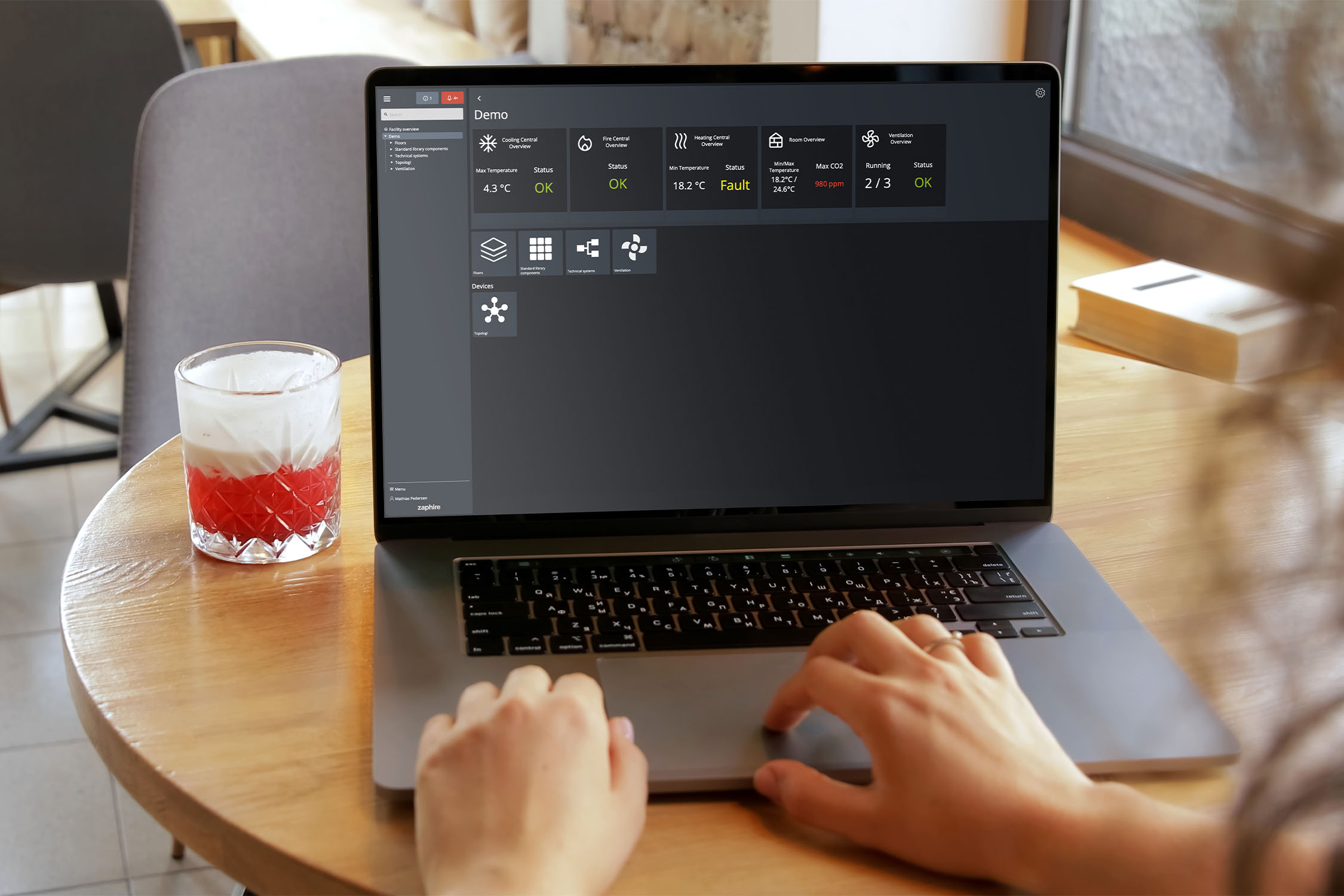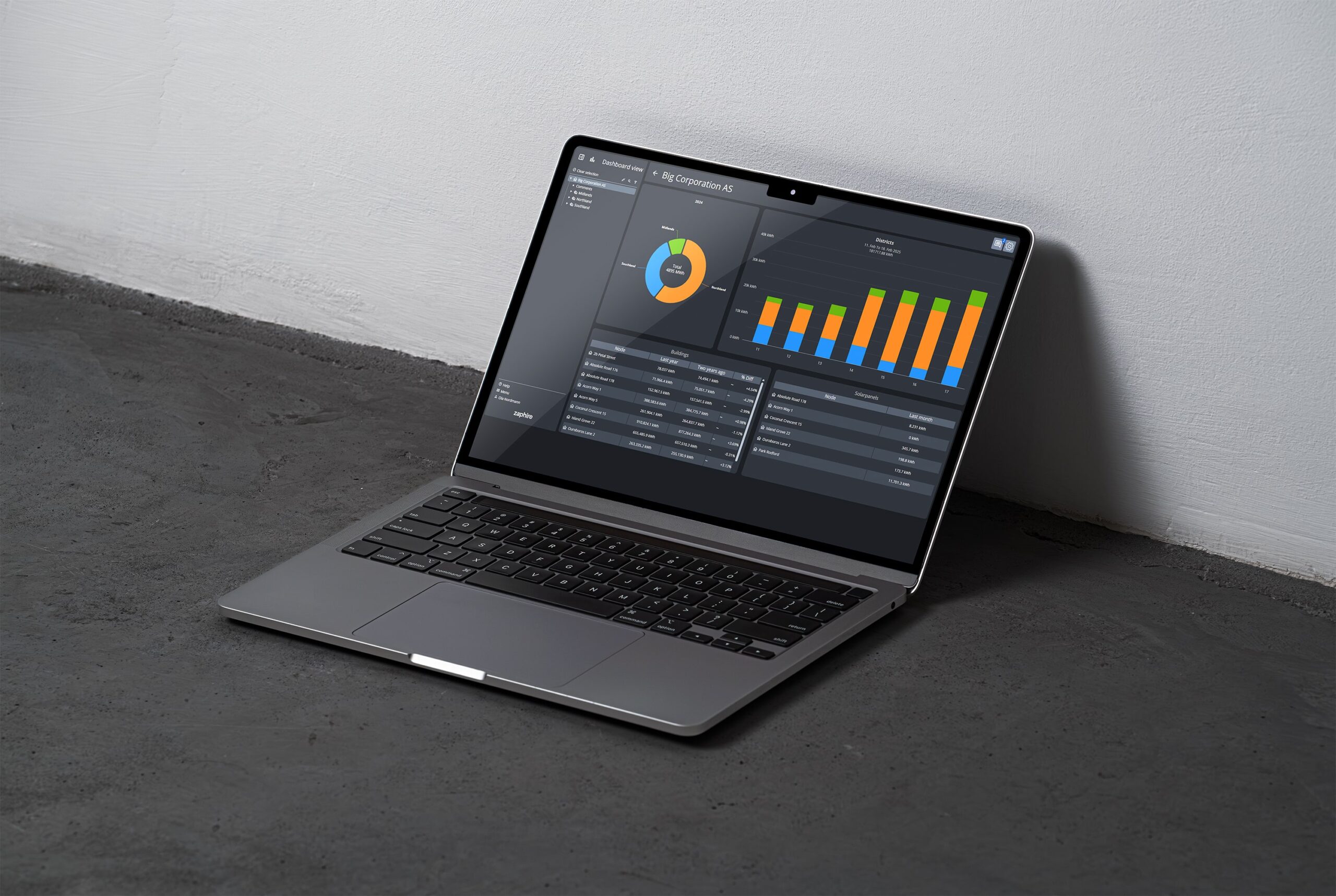
Smart buildings are evolving at unprecedented speed. Cloud-based control, IoT devices, remote monitoring, and integrated automation are no longer luxuries, they are essential components of modern building ecosystems. But with this rapid evolution comes a new security reality: traditional perimeter-based network defenses are no longer sufficient.
The Benefits of Zero-Trust Networking in Building Automation
Many organizations worry that adopting zero-trust will make operations more complex. In reality, Zaphire shows the opposite. By embedding security directly into the building infrastructure, zero-trust networking improves both protection and workflow efficiency, creating a safer and more predictable operational environment.
Impact for Building Owners
Impact for Facility Managers
Impact for Integrators and Service Providers
Why Zero-Trust Networking Is Essential for Modern Smart Buildings
In the world of interconnected systems, mobile access, and distributed IoT infrastructure, every device and every user represents a potential entry point. This is exactly why Zero-trust networking has become the leading cybersecurity model for modern buildings, and why Zaphire has adopted it as a core architectural principle.
Zaphire, a cloud-native platform for Building Management (BMS), leverages the power of zero-trust networking to deliver strong security, effortless remote access, and a future-proof foundation for smart building automation.
Understanding the Shift Toward Zero-Trust Networking in Building Automation
Smart buildings are no longer isolated systems protected by a single firewall. They consist of distributed networks of controllers, sensors, gateways, cloud services, and user interfaces, each representing a potential attack vector. As connectivity increases, so does the risk.
Zero-trust networking challenges the old assumption that everything inside the network is trustworthy. Instead, it follows a simple but powerful principle: never trust, always verify - every access, every device, every time. This mindset is essential in modern building automation because attackers often enter through IoT devices or BMS subsystems, traditional VPNs create broad trust zones that allow lateral movement, and remote technicians require secure access from any location. Identity-centric control replaces outdated perimeter-based security and forms the natural foundation for Zaphire’s cloud-native BMS architecture.
How Zaphire Enables Zero-Trust in Building Automation
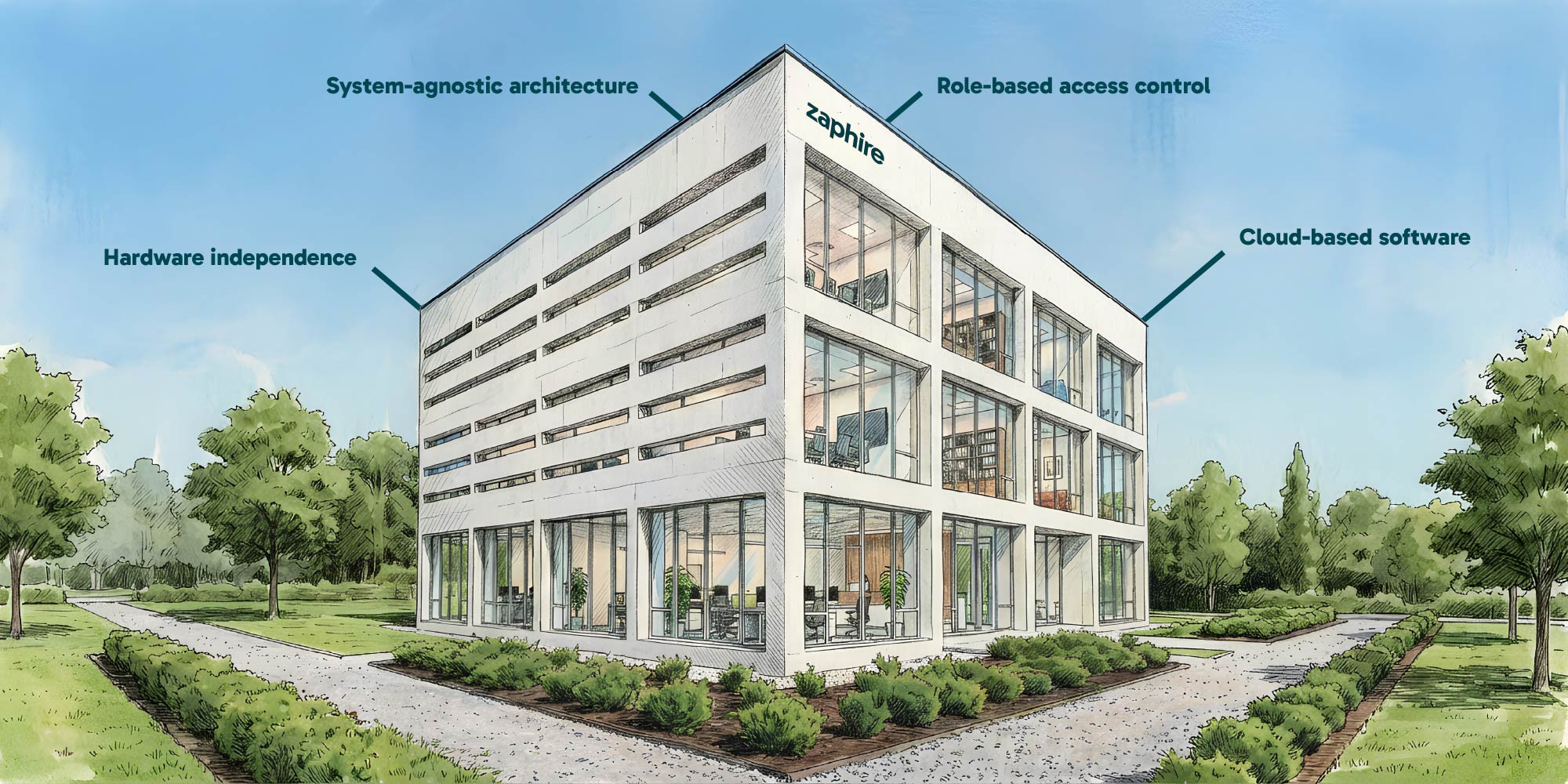
Zaphire is designed for the needs of modern building owners, operators, and integrators who expect scalability, flexibility, and seamless cloud access. Key characteristics include:
- Cloud-based BMS with secure, identity-centric remote access
- System-agnostic architecture supporting HVAC, lighting, access control, energy systems (EMS), and more
- Hardware independence, supporting BACnet, Modbus, MQTT, and other open protocols
- Role-based access control for granular permission handling
- A zero-trust networking model that eliminates traditional VPN weaknesses
This combination is what makes Zaphire uniquely positioned to deliver zero-trust networking in building automation. A security model that aligns perfectly with the needs of modern, cloud-connected facilities.
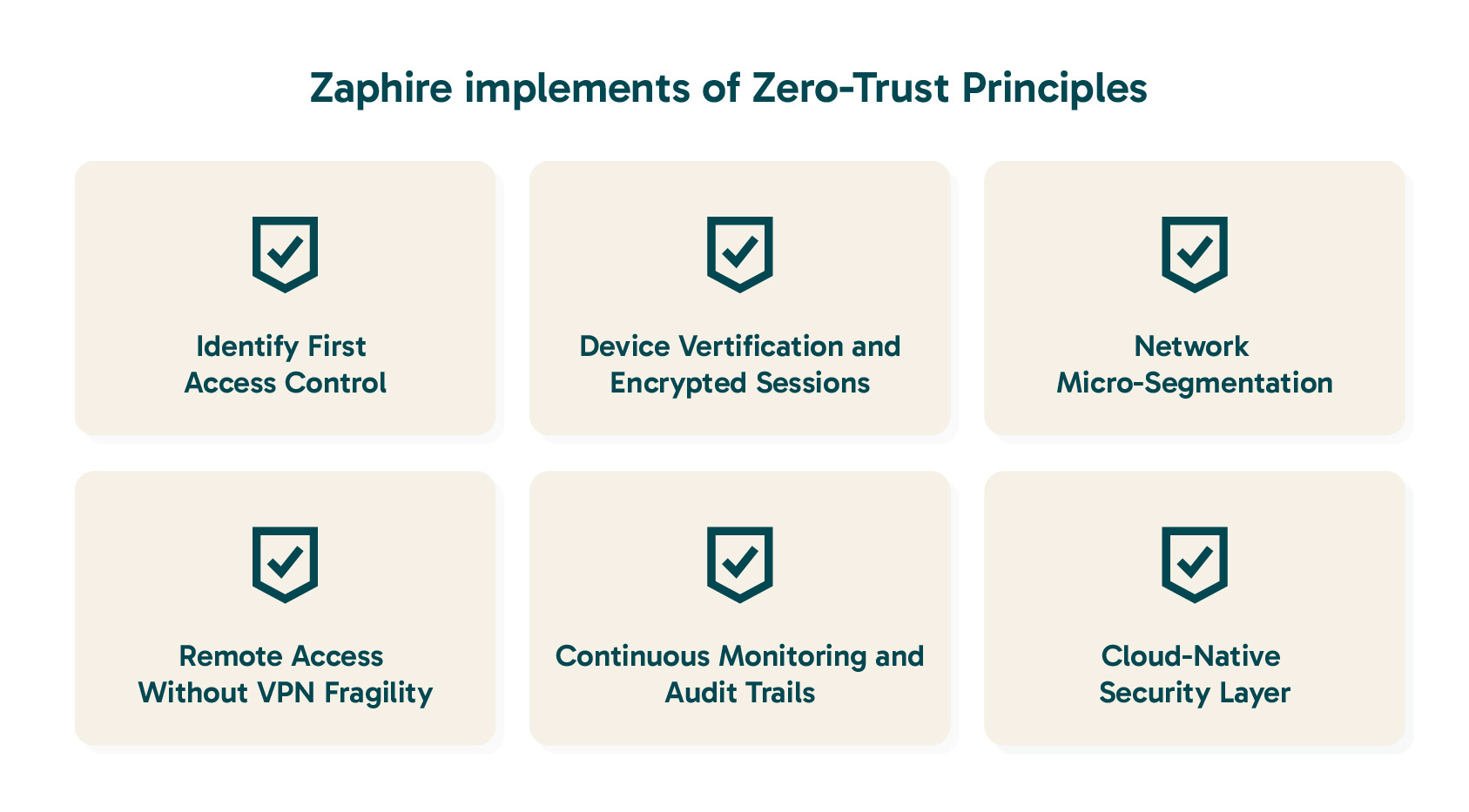
How Zaphire implements Zero-Trust Principles
Zaphire applies zero-trust networking holistically across its architecture, ensuring that every action, connection, and device is authenticated and controlled.
1. Identity-First Access Control
Every user is authenticated using unique identities, MFA, and strict role-based permissions. Access is granular and contextual so users only see the systems and data they need. This ensures that unauthorized access is prevented even if a user’s credentials are compromised.
2. Device Verification and Encrypted Sessions
Zero-trust assumes that no device is inherently secure. Zaphire ensures encrypted communication channels and verifies device posture for every session. This approach reduces the likelihood that infected or misconfigured devices can be used to access critical building systems.
3. Network Micro-Segmentation
Zaphire isolates subsystems such as HVAC, lighting, energy meters, and access control. A breach in one area does not compromise the entire building. By dividing the network into smaller security zones, attackers are prevented from moving laterally across the system.
4. Remote Access Without VPN Fragility
Traditional VPNs create broad, flat access zones that expand attack surfaces. Zaphire replaces VPNs with controlled, identity-centric access channels that enforce strict permissions. This ensures remote users gain only the exact access required without exposing the building network to unnecessary risk.
5. Continuous Monitoring and Audit Trails
Zero-trust requires ongoing visibility into system activity. Zaphire logs and analyzes every action, including access attempts, configuration changes, and subsystem interactions. These insights make it possible to detect anomalies early and respond quickly before issues escalate.
6. Cloud-Native Security Layer
Zaphire uses encrypted data flows, hardened APIs, and modern compliance frameworks throughout its architecture. Security scales seamlessly as new buildings, devices, or users are added to the platform. Because the system is cloud-native, updates and security enhancements are delivered continuously without disrupting operations.
Challenges Zero-Trust Helps Solve
Building automation faces several persistent security challenges that traditional network models struggle to address. Many buildings rely on legacy equipment that was never designed with modern cybersecurity requirements in mind. Zero-trust networking makes it possible to protect these systems by isolating them behind secure gateways and enforcing strict access controls. It also solves the challenge of multi-vendor environments, where devices from different manufacturers must operate together without exposing sensitive subsystems.
Portfolio-scale building management introduces another level of complexity. When multiple sites are connected through cloud services, simply relying on a perimeter firewall is no longer enough. Zero-trust provides consistent, centralized policy enforcement across every facility, regardless of network structure or equipment age. It also enables secure access for engineers and technicians who increasingly work remotely and need reliable, identity-based entry to systems. With Zaphire, these challenges become manageable because the platform integrates zero-trust principles at every layer of the architecture, creating a unified and predictable security model.
The Future of Smart Buildings Is Zero-Trust
As buildings continue to evolve into fully connected digital ecosystems, cybersecurity becomes an integral part of their infrastructure rather than an optional add-on. Zero-trust networking is emerging as the only model capable of matching the complexity, scale and exposure of modern building automation. Its emphasis on verification, identity and granular control aligns perfectly with the direction the industry is moving.
Zaphire is positioned at the center of this transition. With its cloud-native architecture, open integrations and identity-first approach, the platform brings zero-trust principles into everyday building operations. This creates a secure foundation for automation, remote management and future technological growth. The result is a new standard for smart buildings where security, scalability and usability work together, enabling organizations to operate confidently in an increasingly connected landscape.